
On June 5, EIT and GEM Co., Ltd. signed an agreement establishing a Joint Laboratory for Solid-State Battery Cathode Materials. The partners will collaborate in critical technologies, joint talent development and research commercialization, exploring a new model of university–industry innovation.
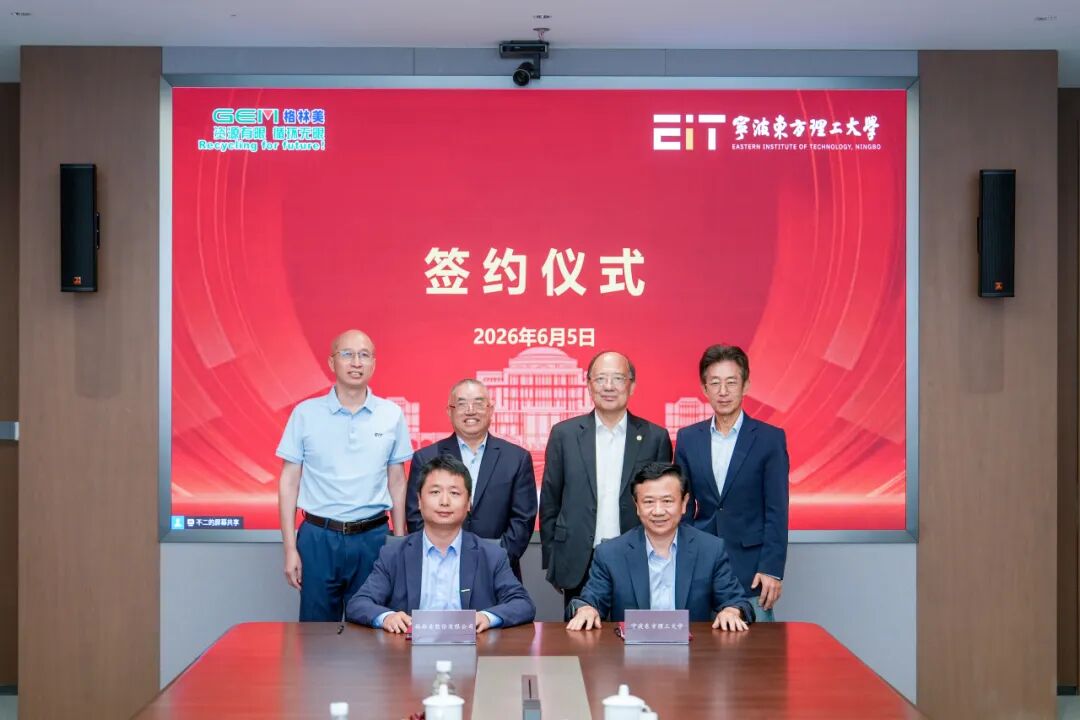
The ceremony was attended by EIT President Shiyi Chen, a member of the Chinese Academy of Sciences; GEM Chairman Kaihua Xu; EIT Vice President Wenjun Zeng, a foreign fellow of the Canadian Academy of Engineering; and Division of Engineering Head Ming Zhou, a member of the US National Academy of Engineering. Xueliang Sun, EIT Chair Professor, Director of the Institute of Materials and Energy and a foreign member of the Chinese Academy of Engineering, signed with Kun Zhang, GEM Senior Deputy General Manager and President of its Central Research Institute.
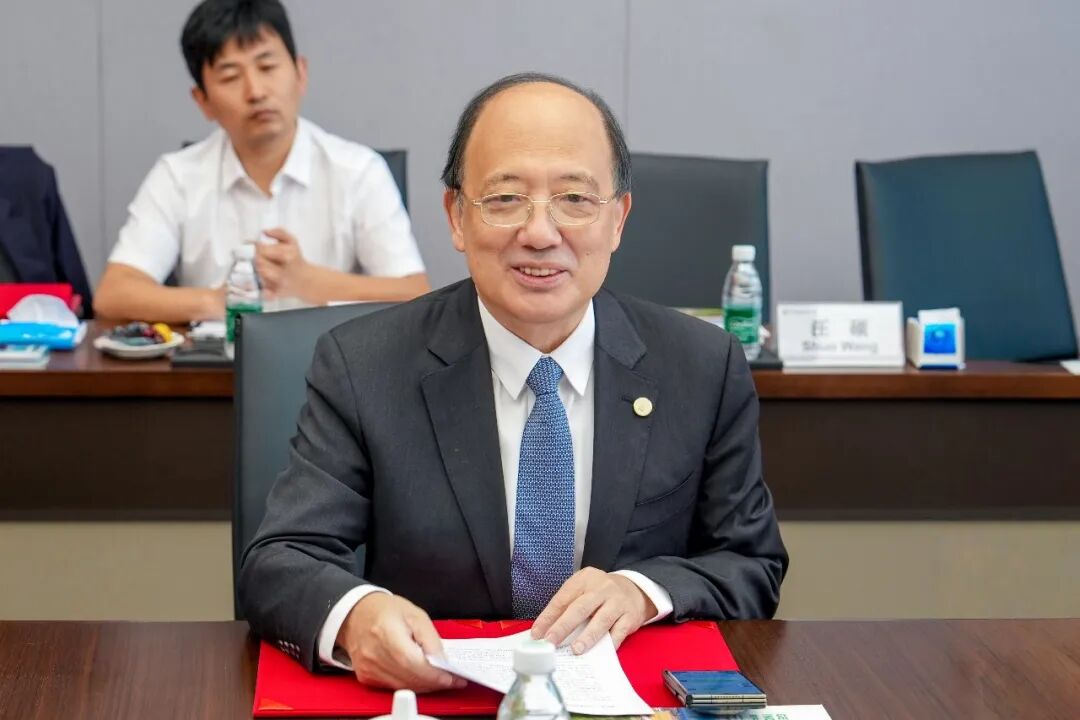
New energy and energy storage are strategic emerging industries, and all-solid-state batteries are central to the next generation of traction batteries. Chen said GEM's commitment to new energy materials and university–industry–research cooperation aligns closely with EIT's focus on national strategy, industrial innovation and regional service. The partnership reflects sustained cooperation and shared goals. He hoped the laboratory would advance the frontiers of solid-state batteries and become a leading national demonstration platform for collaborative research, supporting the new energy industry and scientific and technological self-reliance.
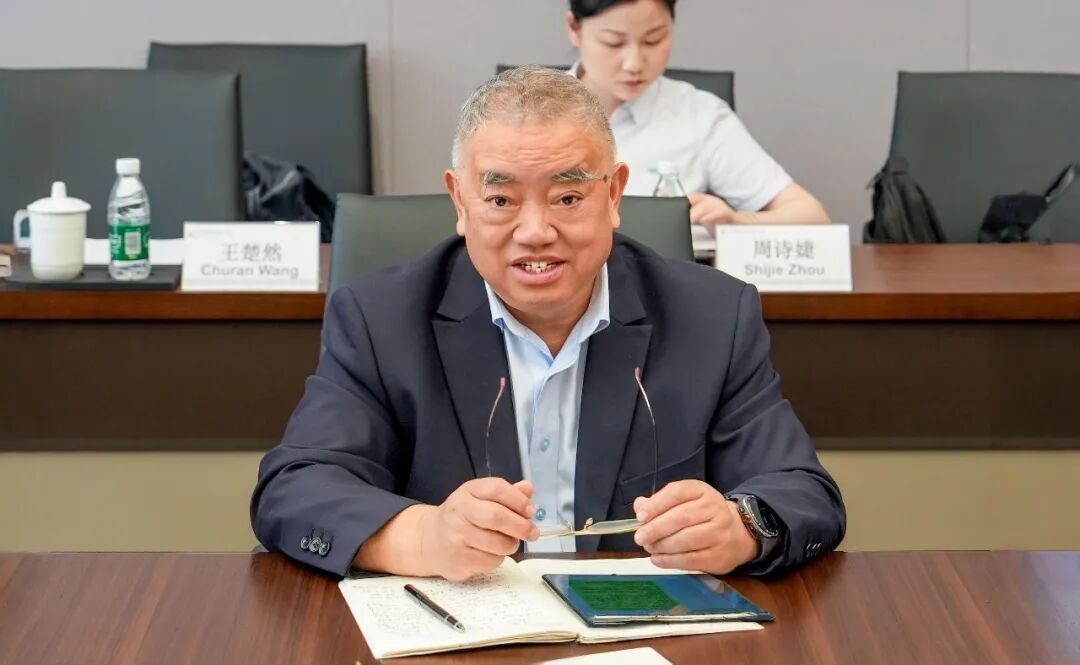
Xu thanked EIT for its welcome and support and praised its aspiration to respond to the needs and mission of its times. A global leader in urban mining and an advocate of the full lithium-battery value chain, GEM remains committed to the principle that resources are finite but recycling has no limits. GEM and Sun's team have established a strong research partnership through joint discussions and technical work on solid-state cathode materials. Xu hoped the laboratory would become a leading research facility serving the country and industry in the development of new quality productive forces.
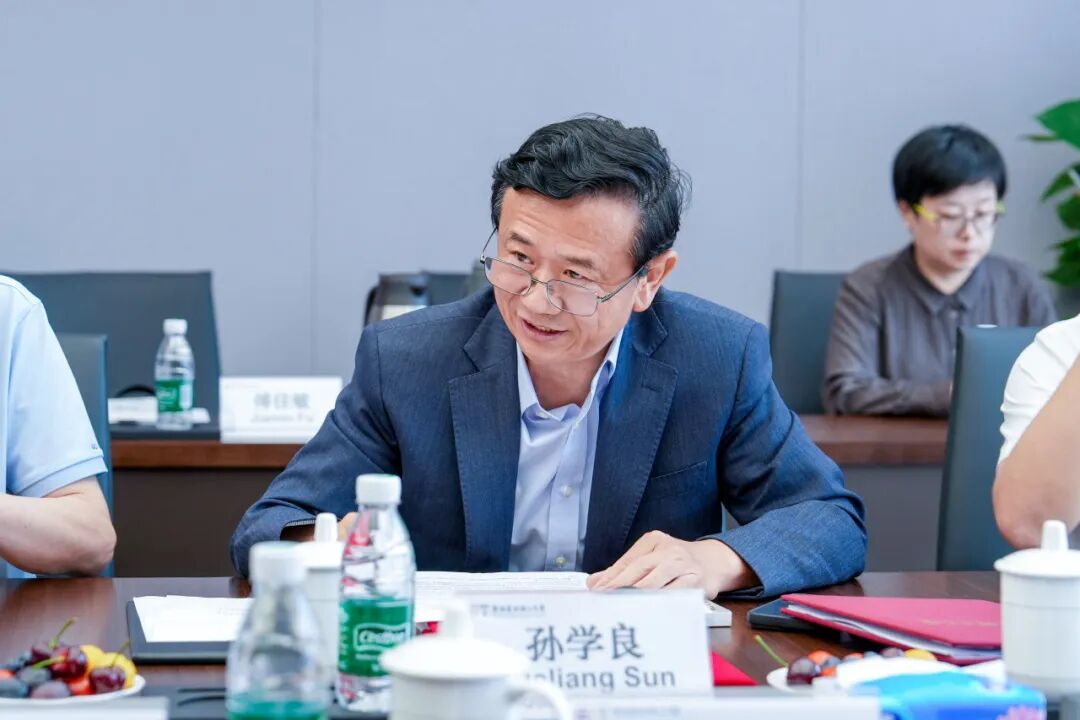
Sun said the laboratory depends on Xu's strategic vision and strong support, together with support from EIT's leadership. Its establishment strengthens university–industry cooperation, social impact and technology transfer. As its director, he will lead research into key scientific questions and technological bottlenecks in cathode materials designed for solid-state batteries, seeking original breakthroughs and industrial application.
Under the agreement, the laboratory will combine Sun's research team with GEM's engineering, commercialization and innovation capabilities. It will focus on original innovation and industrial implementation across the solid-state battery technology chain, aiming to become a global research center, a base for advanced talent development and a demonstration platform for commercialization, supporting China's new energy industry.
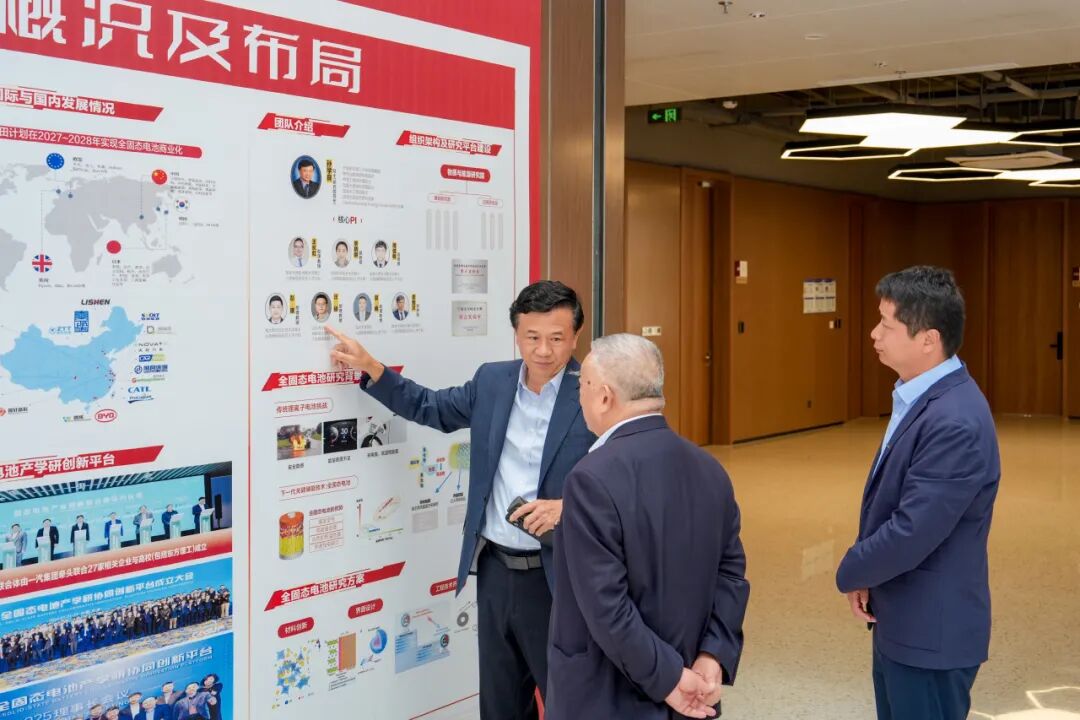
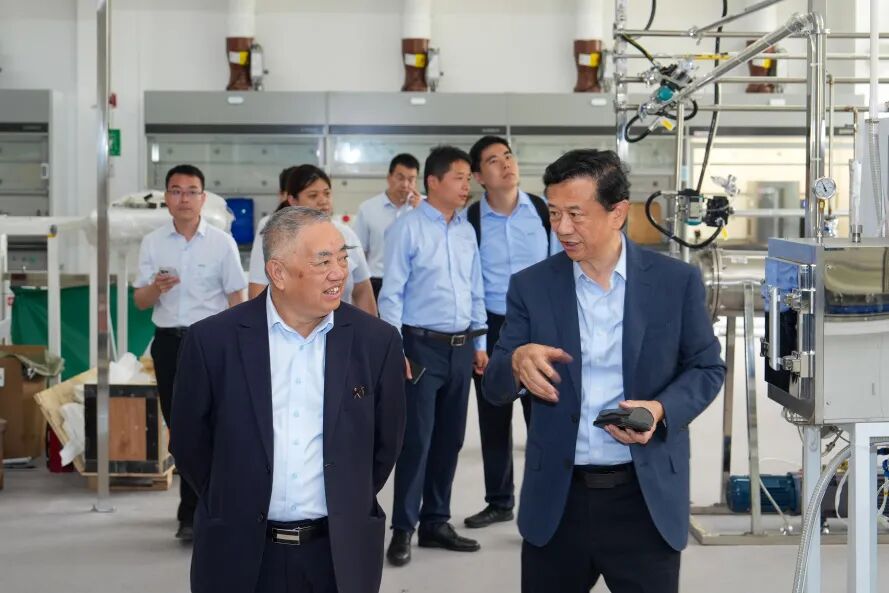
Xu's delegation also toured EIT's Institute of Materials and Energy with Sun and discussed solid-state batteries and related topics.
Yijie Pan, Director of the Office of Research, chaired the ceremony. GEM Deputy General Manager Yujun Chen and members of Sun's team also attended.