
On June 6–7, EIT hosted Yongjiang Forum 2026. Nearly 80 outstanding young scholars from leading universities and research institutions, including Harvard, Cambridge and Oxford, gathered beside the Yongjiang River to discuss scientific frontiers and technological innovation and contribute to EIT's development.
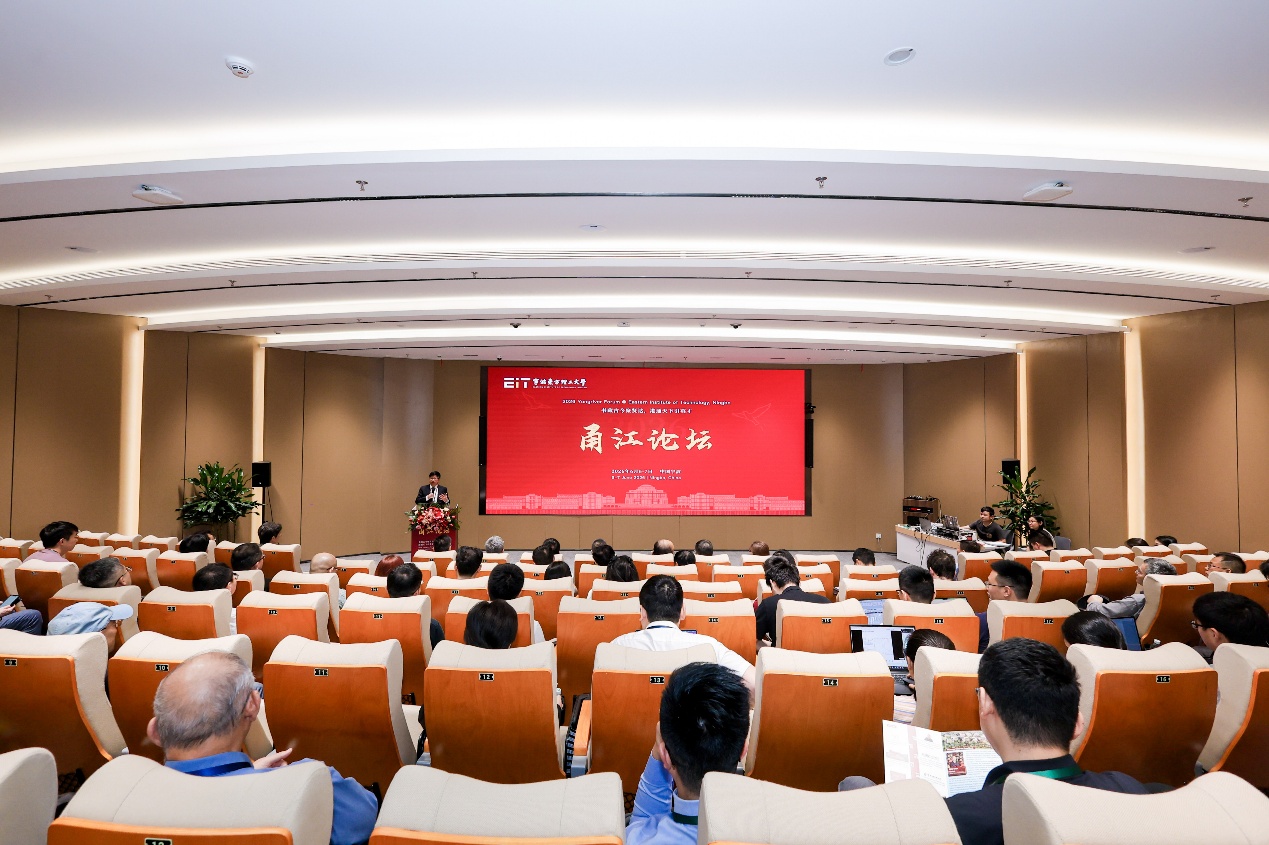
President Shiyi Chen, a member of the Chinese Academy of Sciences, welcomed the scholars. Since its launch in 2022, the forum has been held five times. More than 40 outstanding young members of EIT's high-level faculty first connected with the university through the forum. Their continued growth and achievements are becoming an important force in its development.
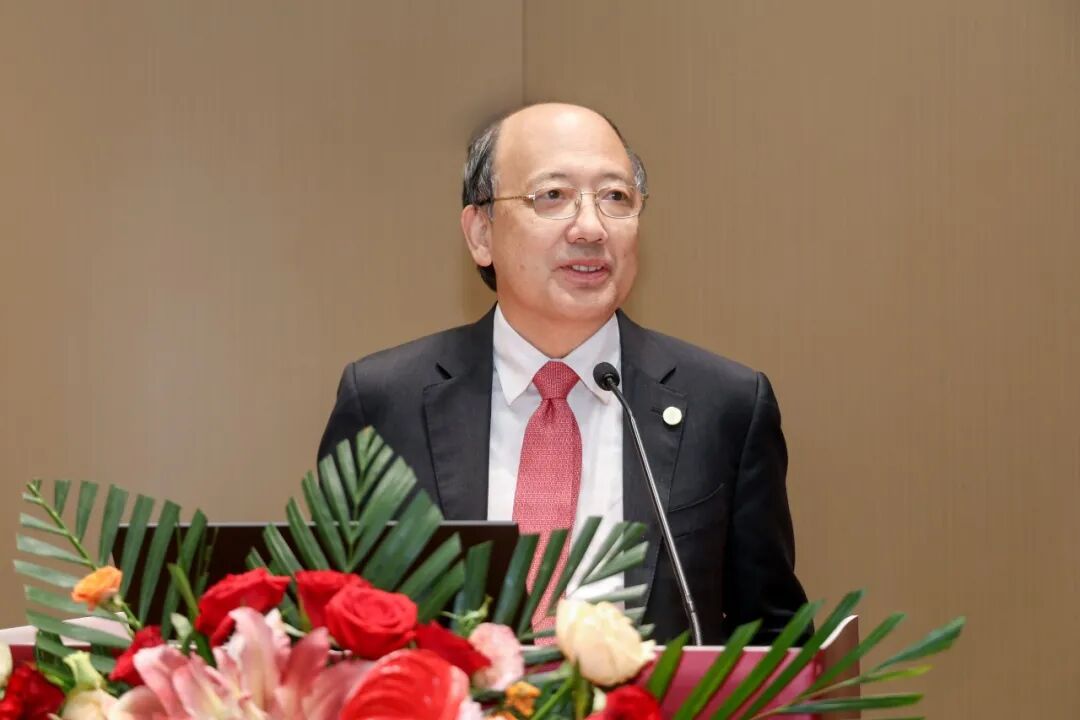
Facing the Yongjiang River and engaging with the world, EIT is a young research university committed to a high starting point, compact scale and excellence, innovation, and international engagement. Chen said it has a strategic mission to explore new approaches to Chinese higher education, nurture outstanding innovators and overcome critical technological challenges. He welcomed young scholars committed to contributing to their country to join EIT and help build a new research university with the resolve to break new ground and embrace future possibilities.
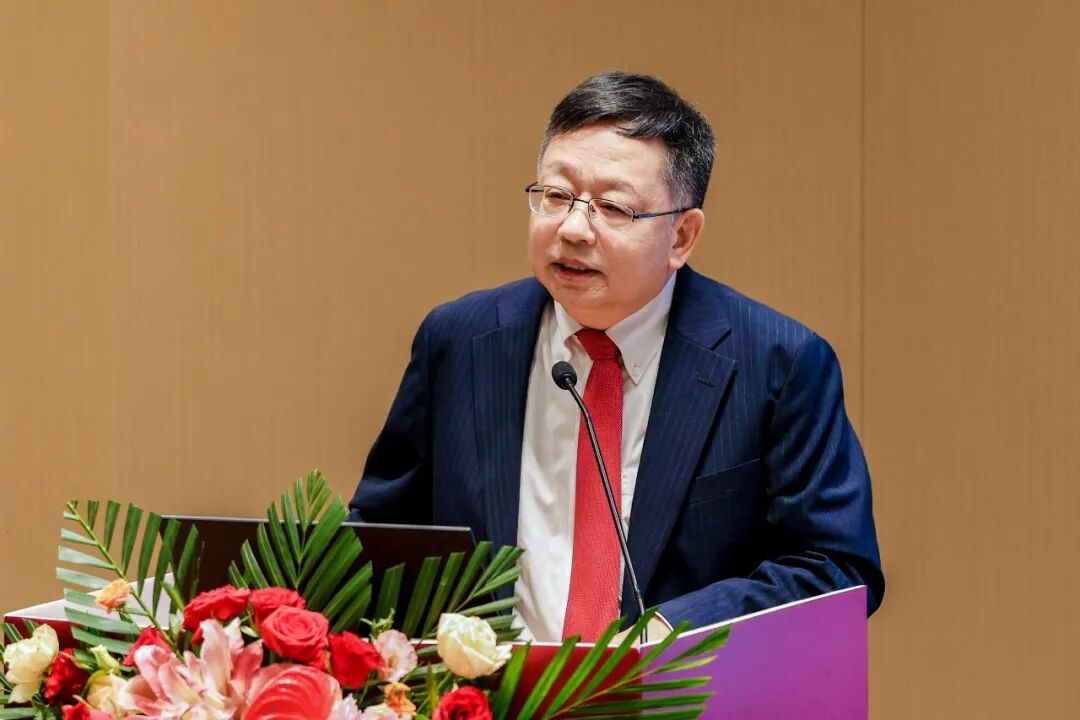
Executive Vice President Dongxiao Zhang introduced EIT's progress in disciplinary development, education, faculty recruitment and research. EIT is exploring new approaches to attracting and developing talent, organizing research and improving institutional systems. With education at its center, it has created a distinctive model. Rooted in Ningbo and supporting industry, it seeks to meet national strategic needs and strengthen the mutually supportive relationship between a leading city and a leading university.
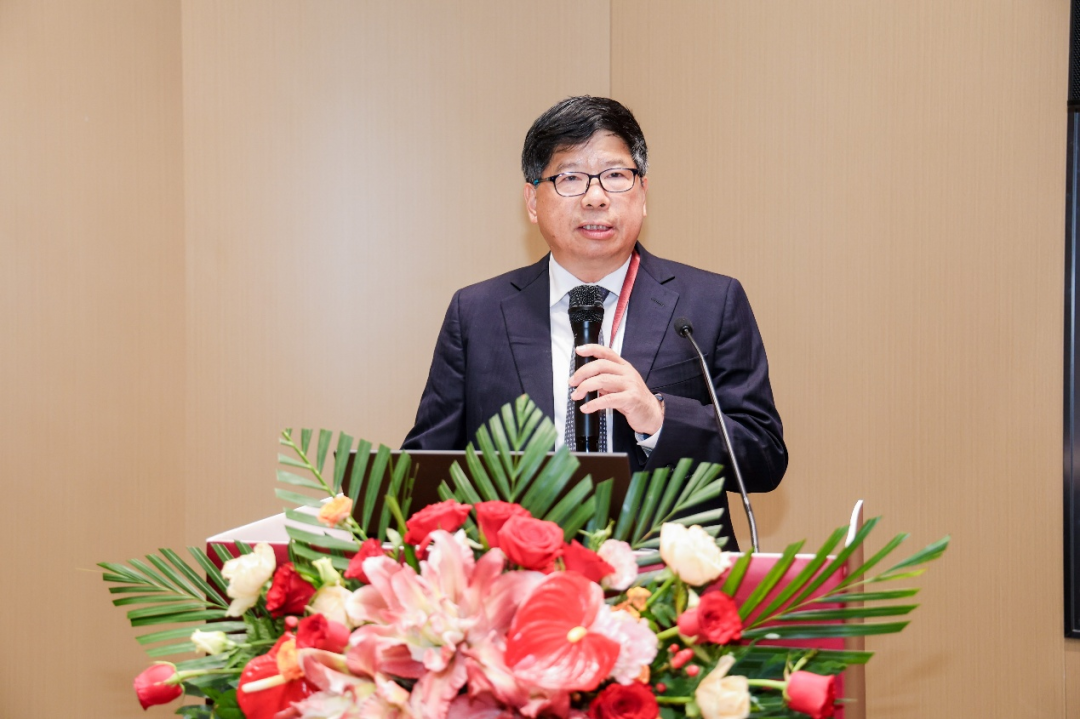
Vice President Chunmiao Zheng described the forum as an important platform connecting EIT with outstanding scholars in China and abroad. It has accompanied EIT's rapid transition from preparation to formal operation, disciplinary planning and the gathering of high-level talent. He hoped it would provide fertile ground for talent and allow innovation to flourish beside the Yongjiang River.
Major research platforms support EIT's pursuit of original breakthroughs. Yijie Pan, Director of the Office of Research, introduced the university's platforms, while Shudi Bao, Assistant to the Director of the Ningbo Institute of Digital Twin (EIT), outlined the institute's development. Guided by national strategies, regional needs and global scientific frontiers, EIT focuses on interdisciplinary fields including AI, integrated circuits, unmanned technologies, new energy and materials, intelligent manufacturing, and life and health sciences. National, provincial and municipal platforms and university–industry laboratories form an EIT research and innovation network that has produced a series of high-quality results.
Gang Xu, Deputy Head of the Division of Information Science and Technology, Chair Professor and a foreign member of the Engineering Academy of Japan, explained why he returned from Japan to join EIT and advance the commercialization of humanoid robots. For him, joining EIT is an entrepreneurial undertaking rather than simply a job. An institution moving from successful establishment to educational excellence offers a particularly attractive setting for academic entrepreneurs.
Yiming Qin, Associate Professor in the Division of Engineering, shared her experience moving from Harvard University and City University of Hong Kong to EIT. She attended the 2024 Yongjiang Forum, joined EIT in early September the following year and witnessed the opening ceremony for its inaugural undergraduate cohort.
Moving from an established institution to a growing university, Qin asked herself three questions: could she get started quickly, continue developing and sustain her work over the long term? Nearly a year after joining, she was convinced of her decision. “I am glad I came. Here, I am taking part in creating something, rather than simply meeting performance indicators.”
Organized by EIT's Office of Global Engagement with support from the Jiaochuan Subdistrict Office in Zhenhai District, the forum received 455 applications. Around 80 young scholars participated online or in person, representing institutions including Harvard, Cambridge, Oxford and Nanyang Technological University.
Chunmiao Zheng chaired the opening ceremony, attended by Party Secretary Jin Bo, other university leaders, teaching and research faculty, and representatives of relevant units and offices.
Invited scholars presented research in nine parallel sessions across the Divisions of Science, Engineering, and Information Science and Technology. They shared findings and experience, explored emerging disciplinary questions and exchanged diverse perspectives.